
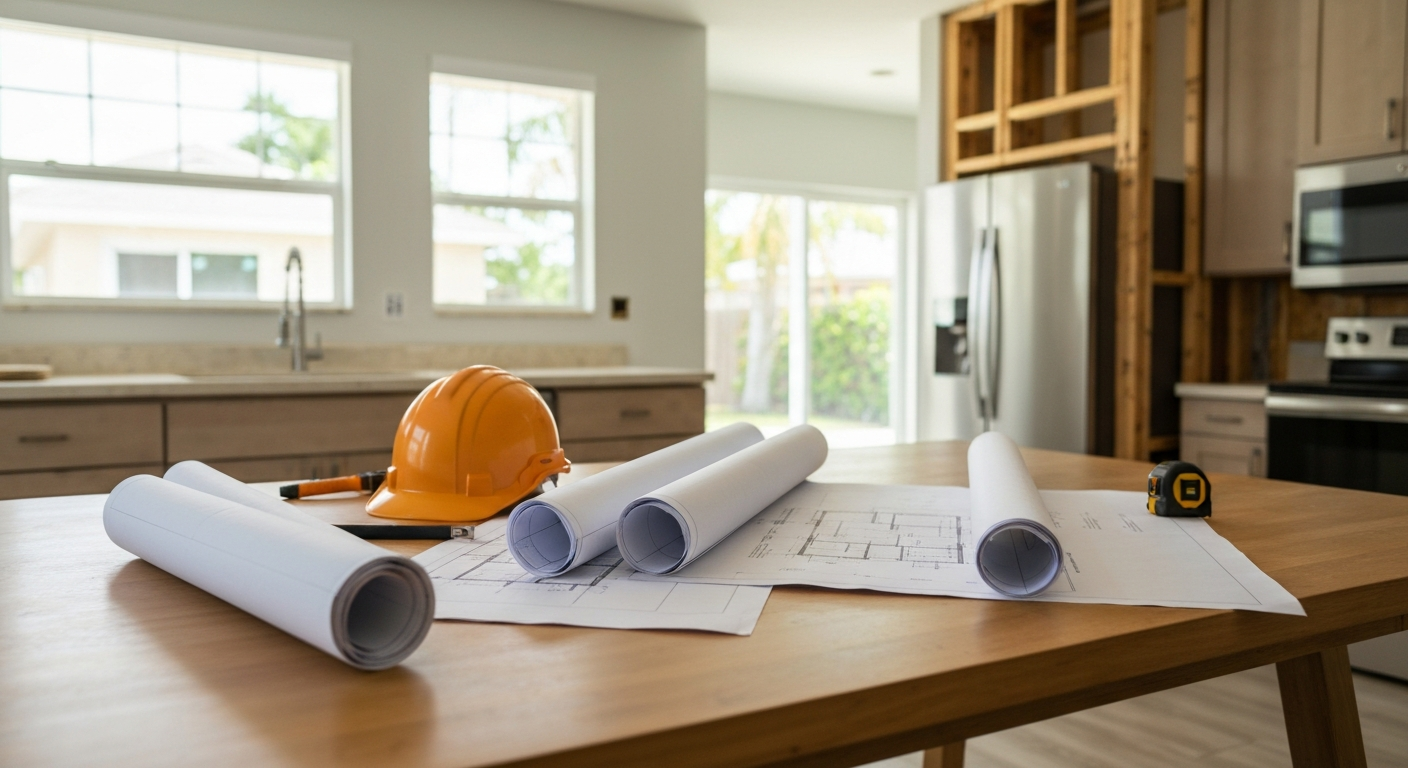
The Permit Question Every Homeowner Asks
You've been dreaming about that new kitchen layout or a completely refreshed master bathroom. You've browsed design inspiration, set a budget, and maybe even picked out tile samples. But before any demolition begins, there's one critical question that too many homeowners overlook: does this project need a building permit?
It's not the most exciting part of a remodel, but understanding permit requirements in Plantation can save you from fines, failed inspections, insurance headaches, and even problems when you try to sell your home down the road. Let's walk through what you need to know.
What Exactly Is a Building Permit?
A building permit is official approval from your local government that confirms your planned construction or renovation meets safety codes, zoning regulations, and structural standards. In Plantation, building permits are handled through the City of Plantation's Building Division, which reviews plans and conducts inspections at various stages of a project.
Permits exist to protect you. They ensure that electrical work won't create a fire hazard, that plumbing changes won't cause water damage, and that structural modifications won't compromise your home's integrity. Think of them as a safety net for your investment.
Which Remodeling Projects Typically Require a Permit?
Not every home improvement project needs a permit, but more projects require one than most people realize. Here's a general breakdown:
Projects That Usually Require a Permit
- Kitchen remodels involving layout changes — Moving walls, relocating plumbing for a sink or dishwasher, adding new electrical circuits for appliances, or installing a range hood that vents through the roof all typically require permits.
- Bathroom remodels with plumbing or electrical changes — Relocating a toilet, adding a new shower, or upgrading electrical for heated floors or additional lighting usually triggers permit requirements.
- Removing or modifying walls — Especially if there's any chance the wall is load-bearing. Structural changes always need engineering review and permits.
- New or relocated plumbing — Any time you move supply lines or drain lines, a plumbing permit is generally required.
- Electrical work beyond simple fixture swaps — Adding circuits, upgrading your panel, or running new wiring requires an electrical permit.
- New flooring over structural subfloor changes — If your flooring project involves repairing or modifying the subfloor structure, a permit may be needed.
- Window or door replacements that change the opening size — Enlarging a window or adding a new doorway involves structural and potentially wind-load considerations, which is especially relevant here in South Florida.
Projects That Typically Don't Require a Permit
- Painting interior or exterior walls
- Replacing cabinet hardware or installing new cabinet doors on existing frames
- Swapping out a faucet or showerhead without moving plumbing
- Replacing flooring without structural subfloor modifications
- Installing new countertops on existing cabinetry
- Cosmetic updates like backsplash tile installation
Keep in mind that these are general guidelines. Specific requirements can vary, and it's always smart to verify with the local building department or your contractor before starting work.
What Happens If You Skip the Permit?
We understand the temptation. Permits add time and cost to a project, and it can feel like unnecessary bureaucracy when you just want your new kitchen finished. But skipping permits creates real risks:
- Fines and stop-work orders — If the city discovers unpermitted work in progress, they can issue fines and halt your project until proper permits are obtained.
- Insurance complications — If unpermitted work contributes to damage, such as a plumbing leak from improperly installed pipes, your homeowner's insurance may deny the claim.
- Problems at resale — When you sell your home, buyers and their inspectors often uncover unpermitted work. This can derail a sale, reduce your home's value, or force you to retroactively permit and potentially redo work to meet code.
- Safety hazards — Without inspections, there's no independent verification that the work was done safely. Faulty electrical work, improper structural modifications, and plumbing errors can create serious hazards for your family.
How the Permit Process Works in Plantation
The permit process doesn't have to be intimidating, especially when you're working with an experienced contractor who handles it regularly. Here's a simplified overview of how it typically works:
- Plans and application — Your contractor prepares the necessary documentation, which may include architectural drawings, engineering calculations, and product specifications, and submits them to the City of Plantation Building Division.
- Plan review — The city reviews the submitted plans to ensure they comply with the Florida Building Code, local zoning requirements, and any applicable HOA or community standards.
- Permit issuance — Once approved, the permit is issued and must be posted visibly at the job site during construction.
- Inspections — At key stages of the project, city inspectors visit the site to verify the work meets code. For example, electrical wiring is inspected before walls are closed up.
- Final approval — After all inspections pass, the city issues a final approval, confirming the work is complete and code-compliant.
A good contractor builds this timeline into the project schedule so permits and inspections don't create unnecessary delays.
Why Your Contractor's Approach to Permits Matters
One of the clearest signs of a trustworthy remodeling contractor is their attitude toward permits. If a contractor suggests skipping permits to save time or money, that's a major red flag. Reputable contractors understand that permits protect the homeowner and the quality of the finished project.
At Flint Building Contractors Plantation, we handle the permitting process as part of our standard workflow for projects that require it. We believe in doing things the right way, not just the fast way. Our team is familiar with Plantation's building codes and inspection process, and we coordinate directly with the building department so you don't have to navigate the paperwork yourself.
South Florida Considerations
Living in Plantation and the surrounding areas like Davie, Sunrise, Fort Lauderdale, Weston, and Cooper City means our homes face unique challenges. Hurricane-rated windows, wind-load requirements, and moisture management are all factors that the Florida Building Code addresses specifically for our region. Permits and inspections ensure your remodel accounts for these conditions, which is especially important for any work involving windows, doors, roofing, or exterior modifications.
The Bottom Line
Permits might not be glamorous, but they're a fundamental part of a well-executed remodel. They protect your safety, your investment, and your peace of mind. Before you start tearing out that old bathroom vanity or knocking down a kitchen wall, make sure you understand what approvals are needed and that your contractor is committed to doing things by the book.
If you're planning a kitchen remodel, bathroom renovation, or any home improvement project in Plantation, we're happy to walk you through what your specific project requires. Reach out to Flint Building Contractors Plantation for a straightforward conversation about your remodeling goals, and we'll make sure every detail, including permits, is handled with care.